Tea Tree Oil for Skin: Benefits, Uses & Complete Natural Skincare Products Guide
If you’re searching for a powerful, natural ingredient to transform your skincare routine, tea tree oil deserves a spot on your shelf. This Australian botanical has been used for centuries and continues to gain recognition in modern natural skincare for its impressive skin-healing properties.
What Is Tea Tree Oil?
Tea tree oil is an essential oil steam-distilled from the leaves of Melaleuca alternifolia, a tree native to Australia. This pale yellow oil contains over 100 active compounds, with terpinen-4-ol being the primary component that provides strong antimicrobial and anti-inflammatory benefits. It’s this unique composition that makes tea tree oil such a versatile addition to non-toxic skincare routines.

The Science-Backed Benefits of Tea Tree Oil for Skin
Powerful Solution for Skincare for Oily Skin
One of tea tree oil’s most celebrated benefits is its ability to address excess sebum production. Research indicates that regular use of products containing tea tree oil may help reduce skin oiliness in people with acne. Unlike harsh chemical treatments that can strip your skin and trigger more oil production, tea tree oil works gently to balance your complexion while maintaining your skin’s natural protective barrier.
Natural Antimicrobial Properties
Tea tree oil stands out in natural skincare for its broad-spectrum antimicrobial activity. Studies show it’s effective against the bacteria responsible for acne breakouts, including Cutibacterium acnes. This makes it an excellent choice for those seeking non-toxic skincare alternatives to conventional antibiotics, which can lead to resistance and unwanted side effects.
Anti-Inflammatory Action
The anti-inflammatory properties of tea tree oil may help reduce visible acne lesions while calming irritated skin. This dual action makes it particularly valuable for those dealing with inflammatory skin conditions, offering soothing relief without synthetic ingredients.
Ideal for Skincare for Clogged Pores
Tea tree oil’s ability to penetrate pores and dissolve sebum buildup makes it particularly effective for addressing clogged pores and blackheads. Its antimicrobial properties help keep pores clear while preventing the bacterial overgrowth that can lead to breakouts.

How Tea Tree Oil Fits Into a Minimalist Skincare Routine
One of the beauties of tea tree oil is its versatility, making it perfect for those embracing a minimalist skincare routine. Rather than purchasing multiple products for different concerns, you can incorporate tea tree oil in various ways:
As a Spot Treatment: Dilute 1-2 drops in a carrier oil and apply directly to blemishes as needed.
In Your Cleanser: Mix a few drops into your regular face wash for added antibacterial benefits.
As a Toner: Combine 3 drops with 2 ounces of witch hazel for an all-natural toning solution.
In Moisturizer: Add 1 drop to your daily moisturizer to help control oil throughout the day.
Tea Tree Oil for Mature Skin: Considerations and Benefits
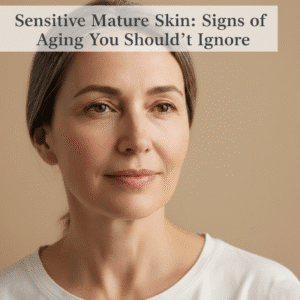
While tea tree oil is often associated with treating acne in younger skin, it also offers benefits for skincare for mature skin. Its antioxidant properties help protect against environmental damage, while its anti-inflammatory effects can soothe sensitivity that often accompanies aging skin. However, mature skin tends to be drier and more sensitive, so proper dilution becomes even more critical.
For mature skin types, consider mixing tea tree oil with more nourishing carrier oils like rosehip or argan oil, which provide additional hydration and anti-aging benefits alongside tea tree’s purifying properties.
Safety First: How to Use Tea Tree Oil Properly
As with any potent natural ingredient, proper usage is essential for safety and effectiveness:
Always Dilute
Never apply pure tea tree oil directly to your skin. Tea tree oil should be diluted with a carrier oil before applying to the skin, and high concentrations can lead to irritation and rash. Most products contain concentrations between 5-15%, which is generally well-tolerated.
Perform a Patch Test
Before incorporating tea tree oil into your routine, test it on a small area of skin and wait 24 hours to check for any adverse reactions. This is especially important if you have sensitive skin or a history of allergic reactions.
Choose Quality Products
When selecting tea tree oil for your natural skincare routine, quality matters. Look for 100% pure tea tree oil with no additives. Products that are old or have been exposed to heat, light, or air may be more likely to cause skin reactions, so proper storage is important.
Avoid Sensitive Areas
Keep tea tree oil away from your eyes, inner ears, and any broken skin. If you’re pregnant, breastfeeding, or have young children under 12, consult with a healthcare provider before use.
Comparing Tea Tree Oil to Conventional Treatments
For those transitioning to non-toxic skincare, you might wonder how tea tree oil compares to traditional acne treatments. Research has shown that while tea tree oil may work slightly slower than benzoyl peroxide, it produces fewer side effects like dryness, irritation, and peeling. This makes it an excellent choice for those with sensitive skin or anyone seeking gentler alternatives to harsh chemical treatments.
Additionally, unlike antibiotics, tea tree oil doesn’t contribute to bacterial resistance, making it a sustainable long-term solution for ongoing skin concerns.
Building Your Natural Skincare Routine with Tea Tree Oil
Incorporating tea tree oil into a comprehensive natural skincare approach yields the best results. Here’s how to integrate it effectively:
Morning: Use a gentle cleanser, follow with a hydrating toner (you can add tea tree oil to witch hazel), then apply a lightweight moisturizer with SPF.
Evening: Double cleanse to remove makeup and sunscreen, apply tea tree oil as a spot treatment or mixed into your serum, then finish with a nourishing night cream.
Weekly: Incorporate a clay mask with a few drops of tea tree oil for deep pore cleansing and detoxification.
Common Skin Concerns Tea Tree Oil Addresses
Acne and Breakouts
Tea tree oil’s antimicrobial and anti-inflammatory properties make it particularly effective for treating active breakouts and preventing new ones from forming.
Excess Oil Production
By helping to regulate sebum production without over-drying, tea tree oil can help balance oily and combination skin types.
Minor Skin Irritations
The soothing properties of tea tree oil can help calm minor skin irritations, redness, and inflammation when used properly.
Post-Acne Marks
While research is still emerging, some evidence suggests tea tree oil may help reduce the appearance of post-inflammatory hyperpigmentation when used consistently.
Who Should Use Tea Tree Oil?
Tea tree oil is particularly beneficial for:
- Those with oily or combination skin types
- Anyone dealing with occasional or persistent breakouts
- People seeking natural, non-toxic skincare alternatives
- Individuals building a minimalist skincare routine
- Those looking to unclog pores naturally
However, if you have very dry or extremely sensitive skin, proceed with caution and always dilute appropriately. Those with eczema or rosacea should consult a dermatologist before use.
The Bottom Line on Tea Tree Oil for Skin
Tea tree oil represents one of nature’s most powerful skincare ingredients, offering antimicrobial, anti-inflammatory, and oil-balancing benefits backed by scientific research. Whether you’re dealing with oily skin, clogged pores, or occasional breakouts, this natural ingredient can be a valuable addition to your skincare arsenal.
As with any skincare ingredient, consistency is key. Give tea tree oil at least 4-8 weeks of regular use to see significant improvements. By choosing high-quality products, diluting properly, and integrating tea tree oil thoughtfully into your routine, you can harness its powerful benefits while maintaining the skin-loving, non-toxic approach to beauty you value.
Ready to experience the benefits of tea tree oil for yourself? Start with a single product containing 5% tea tree oil, observe how your skin responds, and adjust from there. Your journey to clearer, healthier skin through Chemical free skincare begins with one simple step.